Lesson from the farm
Good day friends of the homesteading community. I hope everyone is doing well and taking good care of their farms, gardens, animals, and families. Today I want to share something simple but very real, something that many of us who live close to the land understand deeply. Looking at this piece of land reminds me that homesteading is not always about perfection. Sometimes people see beautiful harvest pictures online and think farming is always neat, clean, and successful every single day, but the truth is far different. There are days when the grasses grow faster than the crops, days when rain refuses to stop, and days when you stand in front of your land wondering where to even begin.
 This land in the picture is filled with thick green vegetation. Some people may only see bushes and weeds, but a homesteader sees possibility. We see soil that can still produce food. We see a future garden hidden inside the wild growth. We see hard work waiting patiently for willing hands.
One thing I have learned from homesteading is that nature never stays still. If you leave a piece of land untouched for some time, nature quickly takes it back. Grass spreads everywhere, climbing plants cover the ground, and small trees begin to appear from nowhere. Sometimes this happens because life becomes overwhelming. There are moments when responsibilities, lack of money, tiredness, or even emotional stress make it difficult to clear the land regularly. I remember a season when I could not visit the farm often because of family responsibilities. By the time I returned, the grasses had covered almost everything. At first I felt discouraged because it looked like all the previous work had disappeared. But later I realized that farming teaches patience more than anything else. The land was not dead. It was simply waiting for attention again.
That is one reason I respect homesteaders so much. Many people do not understand how much effort goes into maintaining a small farm or garden. Before planting even begins, there is already plenty of work to do. You have to clear the land, remove stubborn weeds, gather useful sticks, burn or compost unwanted grasses, and prepare the soil properly. Sometimes the body becomes weak from stress and exhaustion, especially under hot weather.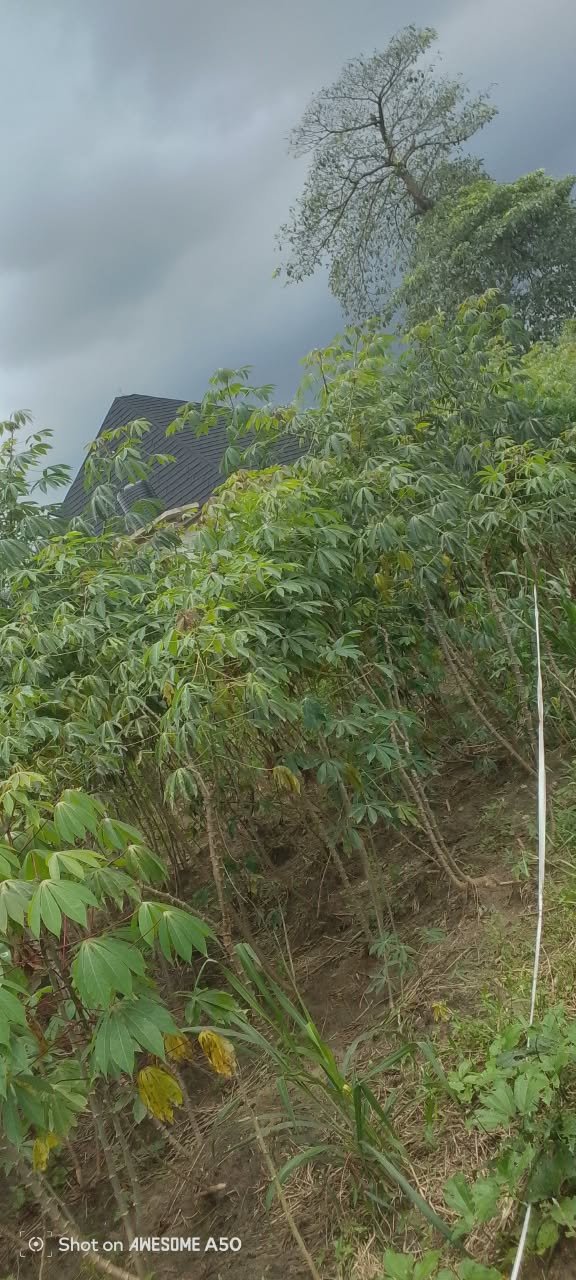 The rainy season can make things even more difficult. In many places, once the rain starts falling consistently, grasses begin to grow aggressively. You may clear the farm today and within a few weeks it starts looking wild again. Yet homesteaders continue because they know the reward that comes later. Behind every healthy harvest is hidden sweat, persistence, mosquito bites, back pain, and sacrifice.
What I love most about scenes like this is the natural richness of the environment. The greenery shows that the soil still carries life. In homesteading, healthy soil is one of the greatest blessings. Even when the place looks overgrown, fertile land can still produce cassava, maize, vegetables, okra, pepper, pumpkin leaves, and many other crops once properly managed.
LAnother thing I appreciate is how nature provides lessons through every season. Sometimes the land is clean and beautiful, while other times it becomes rough and difficult to manage. Human life is similar. There are seasons when everything feels organized and productive, and there are seasons when things feel scattered and heavy. But just like this land can be cleared little by little, life can also improve step by step.
Many people think homesteading is only about planting crops, but it is much deeper than that. Homesteading teaches discipline, consistency, and survival. It teaches you how to work with your hands and appreciate simple things. Even something as ordinary as seeing fresh green leaves after rainfall can bring peace to the heart.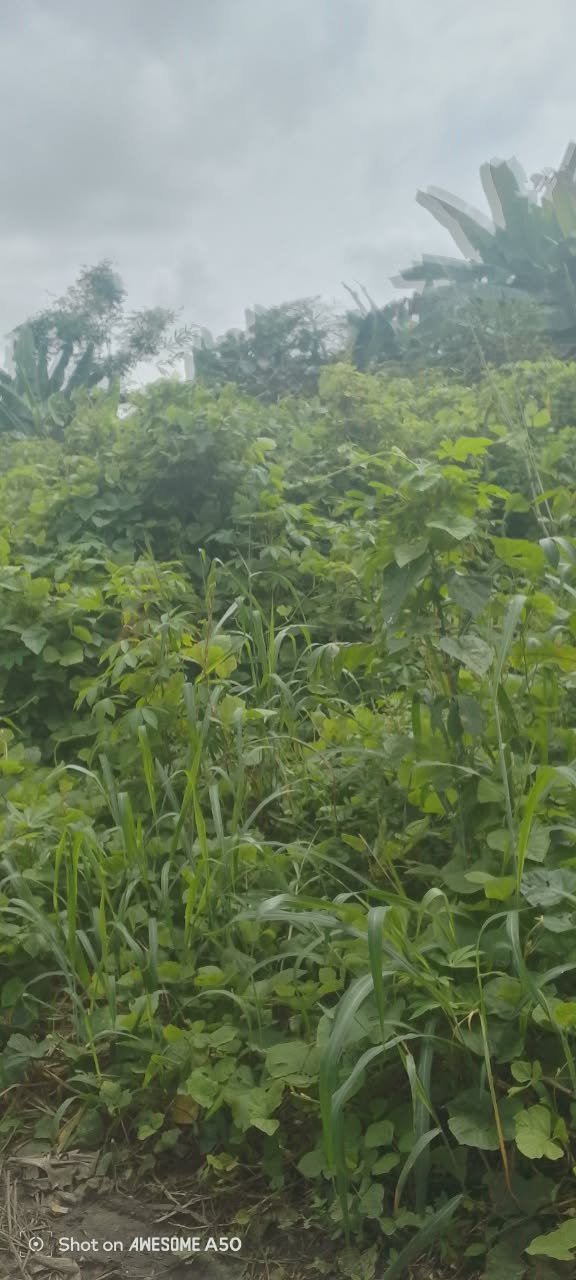 Whenever I walk through areas like this, I also think about the hidden value of local plants. Some weeds that people cut down carelessly actually have uses. Certain leaves can feed goats and sheep. Some can be used for compost manure. Others help protect the soil from erosion during heavy rains. Nature always has a purpose, even in places that appear messy.
This picture also reminds me of the importance of land management. If a homesteader leaves the land unattended for too long, unwanted plants compete with crops for nutrients, water, and sunlight. That is why regular maintenance matters. Clearing pathways, trimming grasses, and monitoring the farm regularly helps crops grow stronger and healthier. At the same time, I believe every homesteader should avoid rushing the process. Large pieces of land can feel intimidating, especially when working alone. The best thing is to take it gradually. Clear one section today, another section tomorrow, and continue little by little. Progress may seem slow, but consistency changes everything.
There is also something peaceful about rural environments like this. The fresh air, natural sounds, and green surroundings help the mind rest in ways city life often cannot provide. Even though farm work is stressful, many homesteaders still feel emotionally connected to the land because it gives a sense of purpose. One beautiful thing about homesteading is that every season tells a story. Sometimes the story is about abundance and successful harvests. Other times it is about struggle, overgrown weeds, delayed planting, or unexpected challenges. But every stage teaches something valuable.
Looking closely at this land, I imagine how much transformation can happen with time and dedication. After clearing the weeds, the soil can be prepared into ridges or beds. Crops can be planted carefully, and within months the same place may look completely different. That is one of the most satisfying parts of farming watching life grow from the ground after putting in hard work.I also think younger people should learn more about homesteading. In today's world, many people rely heavily on buying everything from markets without understanding where food truly comes from. Working on the land builds appreciation for food because you understand the effort behind every harvest.
Homesteading may not make someone rich overnight, but it builds resilience. It teaches people how to survive difficult times. Even a small piece of land can support a family when properly managed. That is why I always admire people who continue farming despite the stress and uncertainty.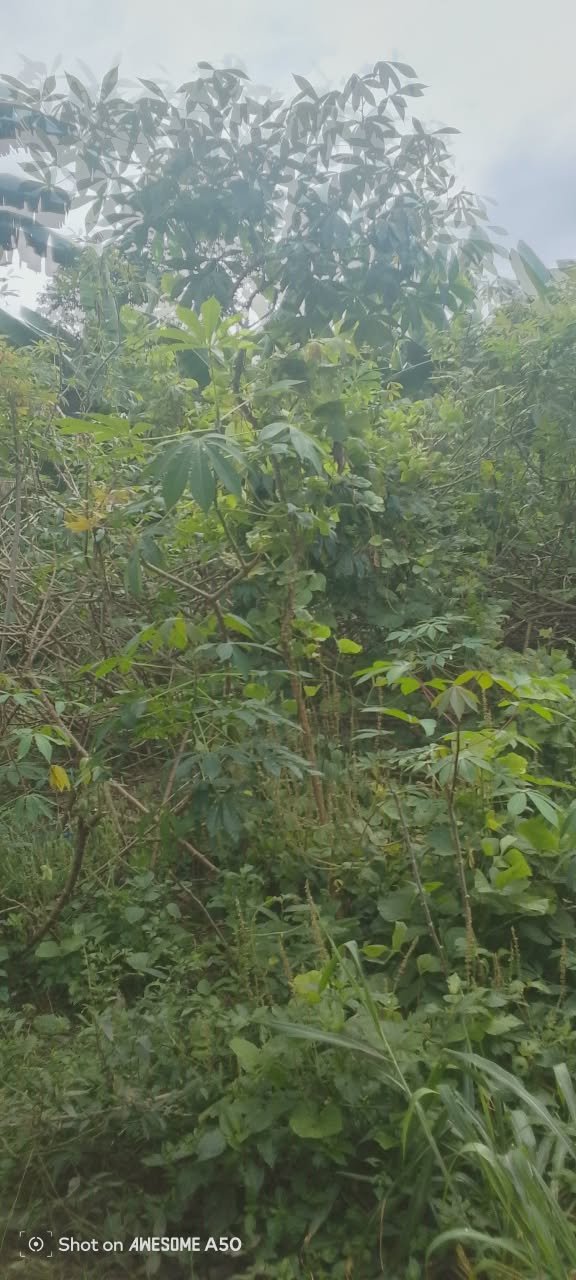 This image may simply look like thick vegetation to some viewers, but to a homesteader it represents opportunity, hard work, patience, and hope. It reminds us that growth often begins in messy places. Before every successful harvest comes preparation, sweat, and persistence.
No matter how overgrown the land becomes, it can still be restored with determination. That is one lesson homesteading continues to teach me never give up on the land, and never give up on yourself.Thank you for taking your time to read my thoughts today. I would also love to know how you manage overgrown land during the rainy season in your own area. Wishing every homesteader a productive and peaceful farming season.
