Hola, mis amigos. Que placer saludarlos este sábado. Lindo fin de semana para todos.
Puedo decir con certeza que tuve una infancia feliz, no carecíamos de nada, habían paseos, juegos, ropa, calzado, comida y amor en abundancia. Todo gracias a la antigua URSS. Hace poco estaba buscando algo interesante en la televisión cubana y me sorprendí al ver mis muñequitos favoritos, los de mi infancia. Recuerdo perfectamente esa sensación. Eran las cuatro de la tarde, la merienda lista y el televisor calentándose. Para nosotros, los niños de los 80 y principios de los 90 en Cuba, no había una frontera clara entre lo “nuestro” y lo “ruso”. Esos muñequitos simplemente eran la infancia.
Hello, my friends. What a pleasure to greet you this Saturday. Have a lovely weekend, everyone.
I can say with certainty that I had a happy childhood. We lacked for nothing—there were outings, games, clothes, shoes, food, and plenty of love. All of this thanks to the former USSR. Recently, I was looking for something interesting on Cuban television and was surprised to see my favorite little cartoons from my childhood. I perfectly remember that feeling. It was four in the afternoon, the snack was ready, and the TV was warming up. For those of us who were children in Cuba during the 80s and early 90s, there was no clear boundary between "ours" and "theirs." Those cartoons were simply childhood.

Cada tarde, después de la escuela, corría para encender la tele. Mi tesoro eran los dibujos animados rusos, pero sobre todo las aventuras de Volek y Lolek. Verlos ingeniar planos en su mundo de papel me hacía olvidar las horas. Imaginaba ser su cómplice silenciosa, viajando con ellos más allá de la pantalla. Aún hoy, cuando el mundo pesa, cierro los ojos y escucho esa música. Volek y Lolek no eran solo dibujos, eran mi ventana a la magia, un lenguaje secreto que solo mi corazón infantil entendía a la perfección.
Every afternoon after school, I would rush to turn on the TV. My treasure were the Russian cartoons, but above all, the adventures of Volek and Lolek. Watching them come up with plans in their paper world made me lose track of time. I would imagine being their silent accomplice, traveling with them beyond the screen. Even today, when the world feels heavy, I close my eyes and hear that music. Volek and Lolek weren't just cartoons—they were my window to magic, a secret language that only my child’s heart understood perfectly.
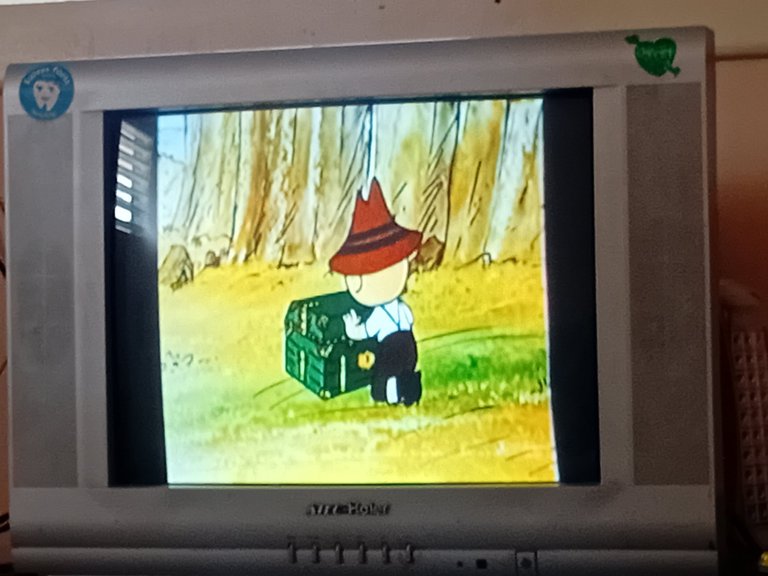

Mis padres los llamaban “los dibujos de la Unión Soviética”, yo los llamaba “mis muñequitos”. Y la mayoría de nosotros cometíamos el mismo error geográfico. Veíamos a Bolek y Lolek —o como los conocíamos cariñosamente, “Volka y lolka”— y asumíamos que eran rusos . Total, el canal solía pasar todo junto: el osito Misha, el lobo Nu Pogodi (que sí era 100% ruso) , y luego estos dos polacos traviesos.
My parents called them "the cartoons from the Soviet Union"; I called them "my little cartoons." And most of us made the same geographical mistake. We watched Bolek and Lolek—or as we affectionately called them, "Volka and Lolka"—and assumed they were Russian. After all, the channel used to show everything together: little bear Misha, the wolf Nu Pogodi (who was 100% Russian), and then these two mischievous Poles.


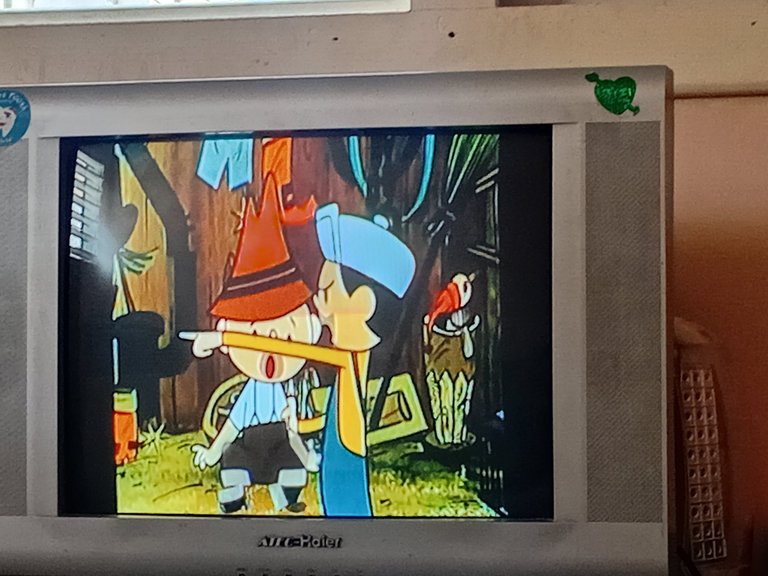
Pero, oye, para nosotros daba igual. La magia de Bolek y Lolek era que no necesitaban hablar. Eran dos hermanos, uno con pantalón corto y el otro con una camisa azul, viviendo las aventuras más épicas desde su patio trasero. Un día eran vaqueros en el Lejano Oeste, al siguiente estaban construyendo un cohete para ir a la luna.
But hey, for us it didn't matter. The magic of Bolek and Lolek was that they didn’t need to speak. They were two brothers—one in shorts and the other in a blue shirt—living the most epic adventures right from their backyard. One day they were cowboys in the Wild West, the next they were building a rocket to go to the moon.

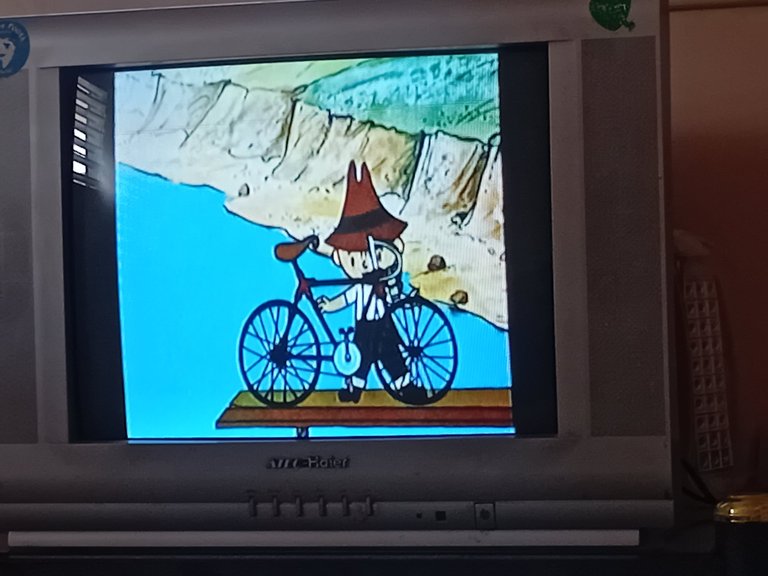

Lo mejor era que no había maldad, no era como Tom y Jerry donde el pobre gato siempre terminaba hecho trizas. Aquí era pura travesura sana, con una música pegajosa y ese sonido clásico de la animación de la vieja escuela. Eran dibujos que te enseñaban el mundo sin salir de tu sala. A través de ellos conocimos Australia o los desiertos. Fue mi primera clase de geografía, sin libros de texto y con mucho humor.
The best part was that there was no meanness. It wasn’t like Tom and Jerry, where the poor cat always ended up in shreds. This was pure, wholesome mischief, with catchy music and that classic old-school animation sound. These were cartoons that taught you about the world without leaving your living room. Through them, we got to know Australia or the deserts. It was my first geography lesson—no textbooks and plenty of humor.

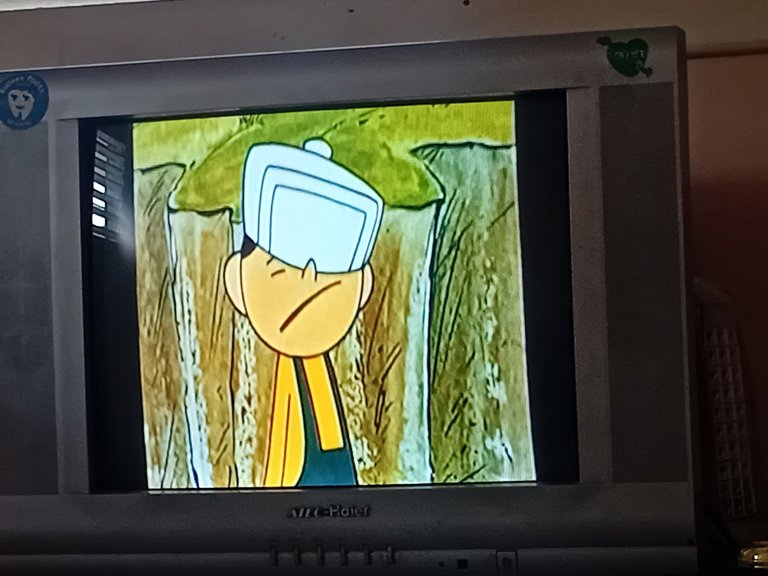
Con el tiempo, uno crece y entiende que esos dibujos quedaron en el recuerdo. Verlos de nuevo en la televisión me transporta a las tardes de lluvia en Santiago, al olor a galletas de sal y a esa paz que solo tenías cuando sabías que por 15 minutos, el mundo se reducía a las aventuras de esos dos chicos. Era maravillosa ver como se metían dentro de los libros y pasaban a otra dimensión. Esa herencia animada es un tesoro que nos une a toda una generación. No eran solo dibujos, eran la prueba de que la amistad y la curiosidad no necesitan traducción.
As time passes, you grow up and understand that those cartoons remain in memory. Seeing them again on television transports me back to rainy afternoons in Santiago, to the smell of salty crackers, and to that peace you only had when you knew that for fifteen minutes, the world shrank down to the adventures of those two boys. It was wonderful to see them jump inside books and pass into another dimension. That animated heritage is a treasure that unites an entire generation. They weren't just cartoons—they were proof that friendship and curiosity need no translation.



Gracias por visitar mi blog
Texto e imágenes de mi propiedad
Thanks to visite my blog
Text and imagen are my own