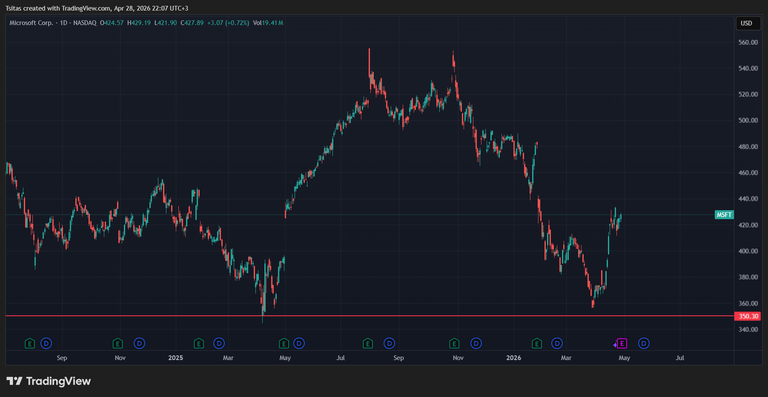
Microsoft and OpenAI announced that they are changing the terms of their partnership. And this is not a small change. We are talking about changes to the original deal that essentially helped build the entire AI boom of recent years.
At the same time, OpenAI is announcing a partnership with Qualcomm to build its own smartphone chip. In other words, on the same day that it changes its relationship with Microsoft, it is also entering the hardware game.
What Changed in the Agreement
To understand what happened, we need to remember where it all started. Microsoft had invested more than $13 billion in OpenAI since 2019. It had exclusive rights to its models. That meant that if you wanted to use OpenAI through the cloud, your only option was Microsoft Azure.
Now that is changing. Under the renewed agreement, OpenAI can now bring all of its products to any cloud provider it wants: Amazon Web Services, Google Cloud, or anyone else. Microsoft’s license to OpenAI’s intellectual property remains in place until 2032, but it is now non-exclusive.
“And what does Microsoft gain from this?”
A lot. First, Microsoft stops paying revenue share to OpenAI for products it sells through Azure. Second, it remains the “primary cloud provider,” meaning OpenAI’s new products will launch first on Azure. Third, and perhaps most importantly, Microsoft remains a shareholder in OpenAI with a 27% stake, a stake that was valued at $135 billion last year.
Revenue Share and AGI
And this is where things get even more interesting. OpenAI will continue paying Microsoft revenue share at the same rate, 20%, until 2030. There is a cap, but it was not disclosed.
So what does that mean? Every time someone pays for a ChatGPT subscription, a portion goes to Microsoft. And that will continue.
But there is another crucial point. Under the old agreement, this revenue share would automatically stop the moment OpenAI reached AGI, meaning artificial intelligence that matches or surpasses human capabilities. Now that clause is gone. Microsoft will continue receiving its share until 2030, regardless of how far OpenAI’s technology advances.
In other words, Microsoft locked in its revenue. And according to analysts, this is a sign that OpenAI is performing much better than the market expected. It is even estimated that around 45% of Microsoft’s AI backlog comes from OpenAI. Yes, you read that correctly. Almost half.
The Door Opens for Amazon and Google
Now let’s move to the next part. Because all of this does not only concern Microsoft and OpenAI. It affects the entire cloud market.
OpenAI had been trying to expand for months. In February, it announced a massive deal with Amazon: an investment of up to $50 billion from AWS and an expansion of their previous agreement by $100 billion over the next eight years.
According to a Financial Times report, Microsoft had even considered legal action because it believed that this partnership violated the exclusivity agreement.
Now all of that is in the past. Amazon CEO Andy Jassy announced that within the next few weeks, OpenAI’s models will be available to AWS customers through Bedrock. That means that if you are a business using AWS, you will be able to use OpenAI’s models without leaving Amazon’s ecosystem. The same will apply to Google.
It is no coincidence that OpenAI’s revenue chief, Denise Dresser, said earlier this month that the Microsoft agreement “limited our ability to serve enterprises where they are.” Now that problem is solved.
OpenAI and Qualcomm
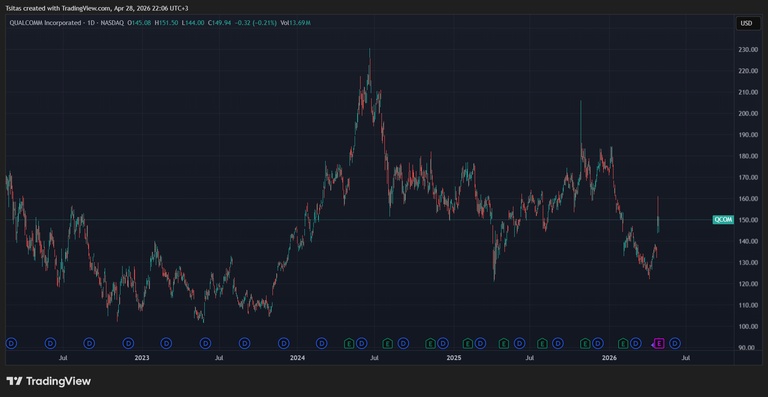
And as if that were not enough, another major piece of news arrived on the same day. OpenAI is partnering with Qualcomm to build a chip for smartphones. Taiwan’s MediaTek is also part of the agreement, while China’s Luxshare will co-design and manufacture the device itself. Mass production is expected in 2028. Qualcomm’s stock rose 7% shortly after the market opened, but eventually closed up 0.98%.
“Why a smartphone?”
According to analyst Ming-Chi Kuo, only through a device that captures what the user is doing in real time can OpenAI offer a fully integrated AI agent. The smartphone is the device that knows everything about you: what you think, what you read, what you say.
And remember this. Last year, OpenAI acquired the startup of former Apple design chief Jony Ive for $6.4 billion. In other words, it has been building a hardware ecosystem for some time. Sam Altman has even said that the device they are preparing will feel like “sitting in a beautiful cabin by a lake,” instead of the chaos of Times Square. Calmer, more personal.