The Forgotten Knowledge of Useful Plants
Good Day, Homesteading Family,
I hope everyone is having a productive and rewarding day on the homestead. Today, I'd like us to take a moment to discuss something that many of us encounter every day but often overlook the wild and naturally growing plants around our homes, gardens, and farms. When most people look at a plant growing on its own, their first thought is often to remove it. They see it as a weed, an unwanted guest competing with their crops for nutrients and space. However, one of the most valuable lessons homesteading teaches us is that not everything growing naturally is useless. In fact, some of the most beneficial plants are those that thrive without human intervention.
 Take a walk around your property and observe the variety of plants growing around you. Some may have appeared after the rainy season, while others have been returning year after year. These plants have survived harsh weather conditions, poor soil, pests, and competition from other vegetation. Their ability to thrive is a sign that they are well adapted to your environment, and that alone makes them worth paying attention to.
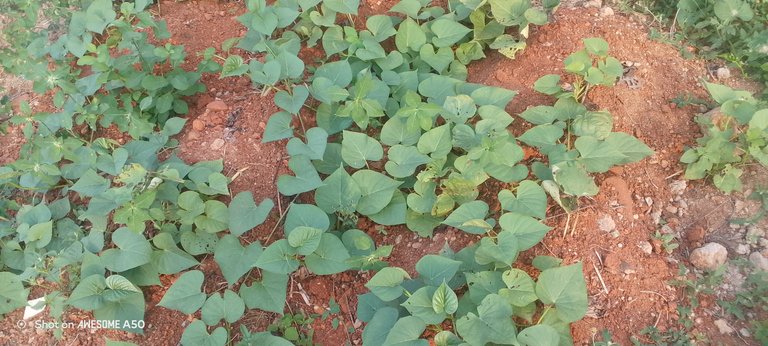 Our grandparents and greatgrandparents understood this principle well. They lived in a time when people depended heavily on the land for survival. They knew which plants could be used as food, which ones could help treat minor illnesses, and which could serve as feed for livestock. They understood how to work with nature rather than constantly trying to control it.
Unfortunately, much of that traditional knowledge has been lost over the years. Today, many people can identify dozens of brand names but struggle to identify the plants growing in their own backyard. As homesteaders, we have an opportunity to reverse that trend by becoming students of the land once again.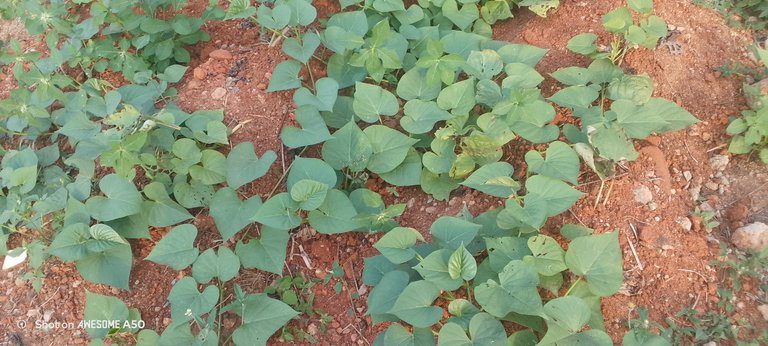 One of the greatest skills any homesteader can develop is observation. Before removing a plant, take time to learn about it. Observe its growth habits. Notice where it thrives. Does it grow in wet areas or dry ones? Does it attract bees, butterflies, or other pollinators? Does it improve the soil around it? These observations can tell us a great deal about the role a plant plays in our local ecosystem.
Many plants that are dismissed as weeds actually perform important functions. Some help prevent soil erosion by holding the ground together with their roots. Others provide shade for the soil, helping it retain moisture during hot weather. Certain plants attract beneficial insects that help pollinate crops or control harmful pests. Some can even improve soil fertility by returning nutrients to the earth.
Beyond their environmental benefits, many naturally occurring plants have practical uses. Throughout history, people have relied on wild plants for food, medicine, animal feed, fiber, and building materials. While it is important to properly identify any plant before using it, learning about local vegetation can reveal valuable resources that have been overlooked for years.Homesteading is ultimately about self-reliance. It is about learning to make the most of what we have rather than constantly depending on outside resources. Every new plant we learn to identify adds to our knowledge and strengthens our connection to the land. Knowledge is one of the most powerful tools a homesteader can possess, and it costs nothing but time and curiosity to acquire.Another important lesson these plants teach us is resilience. Many of them survive conditions that would destroy more delicate crops. They endure drought, flooding, poor soil, and neglect, yet they continue to grow. There is something inspiring about that. As homesteaders, we often face challenges of our own crop failures, rising costs, unpredictable weather, and countless other obstacles. The resilience of nature reminds us that persistence is often the key to success.
In a world where convenience often takes priority over understanding, homesteading encourages us to slow down and pay attention. It invites us to notice the small details that others miss. Every plant has a story. Every patch of land has something to teach us. The more we observe and learn, the better equipped we become to care for our homes, gardens, and communities. One of the most rewarding aspects of homesteading is sharing knowledge with others. When we learn about a useful plant, we can pass that information on to family, friends, and future generations. In doing so, we help preserve valuable knowledge that might otherwise be forgotten. The lessons we learn today could benefit someone years from now.As you go about your day, I encourage you to take a closer look at the plants growing around your property. Instead of immediately seeing weeds, try seeing possibilities. Ask questions. Do some research. Talk to older members of your community who may have traditional knowledge about local plants. You may discover that something growing right outside your door has far more value than you ever imagined.Nature has an incredible way of providing what we need if we are willing to learn from it. Some of the greatest treasures on a homestead are not purchased from a store or ordered online they are already growing in the soil beneath our feet, waiting to be noticed and understood.
So let's continue learning, observing, and appreciating the resources that surround us. The journey toward self-sufficiency begins with understanding the land we call home. Every plant, no matter how ordinary it may seem, has the potential to teach us something valuable.