
There is something magical about traveling and letting yourself be surprised by unexpected beauty. A few days ago, a violet flash among the weeds stopped me dead in my tracks. I approached, as I always do, with that almost childlike curiosity to discover every new flower that crosses my path, and there it was: a vine with shiny, leathery leaves, the kind that look like they are made of wax, and purple flowers… oh, the flowers!
The flowers looked like small lilac velvet gramophones, with a lighter center and white stamens like powdered sugar. It was imposing without being arrogant, delicate but wild.
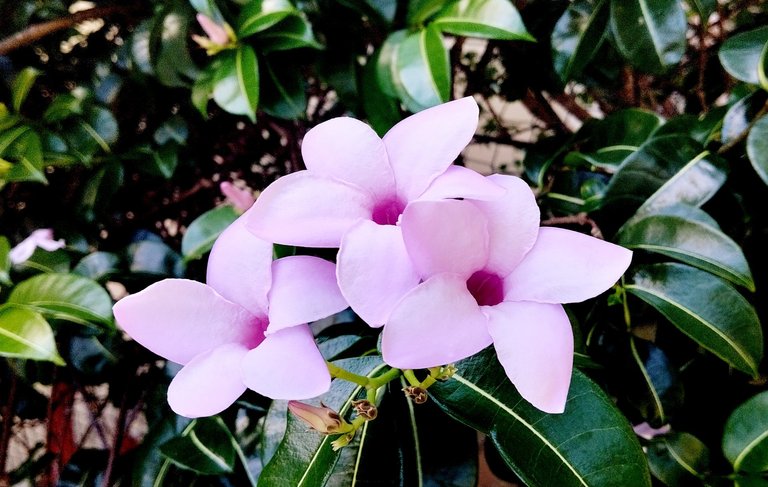
I took out my phone, snapped photos from every angle, and, as has become my ritual, opened the plant identification app. It turned out to be a Cryptostegia grandiflora. Then I looked up the common name and was stunned: "German carnation."
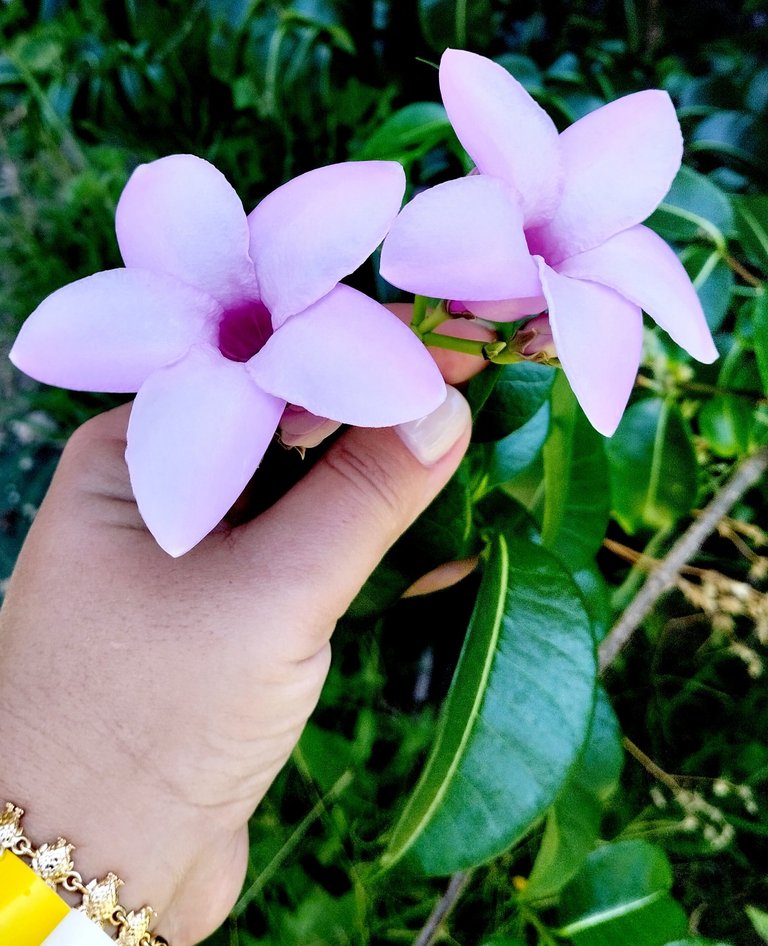

Carnation? Yes, it resembles the petal shape. German? That was more mysterious, because the plant's true origin is on the other side of the world. But what shocked me most was what I read next: in many places, it is considered an invasive species. It grows fast, clings tightly, and suffocates the surrounding plants. Without a doubt, it is a beauty that is also a threat, and right there came my dilemma.
As I admired that little purple cluster that looked hand-painted, I thought: what if I take a cutting? Just one, and plant it in a pot on my terrace, care for it, pamper it.

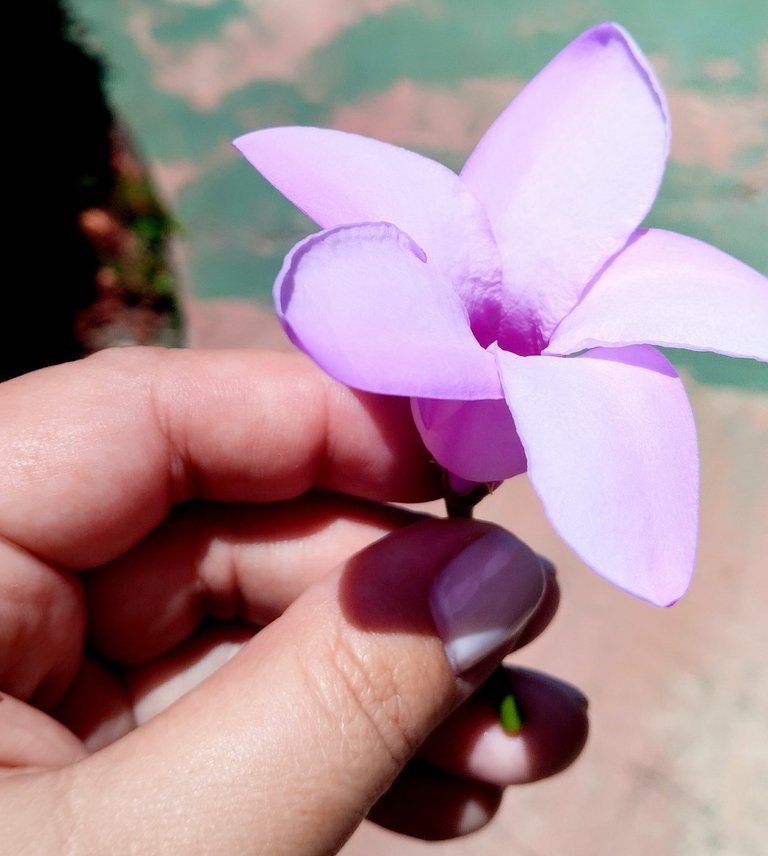
But the science I so love to consult reminded me of something: you cannot fully domesticate what was born to be untamed. A cutting of Cryptostegia does not stay put. If it manages to take root, it will spread even if you don't want it to. Its seeds fly in the wind, and its sap is toxic. It is not a bad plant; it is a plant fulfilling its role in its original ecosystem, but outside of that, it becomes a tyrant.

So I decided not to pull up a single stem. Instead, I took more photos and sat for a while looking at it, smelling its soft scent of old honey, thanking it for the gift of its flowers. I will never forget my German carnation… that beauty with a scientific name that sounded like magic, which, in the end, taught me that sometimes loving a plant means letting it remain free where it belongs. 🌿💜

🍃 𝑻𝒉𝒂𝒏𝒌𝒔 𝒇𝒐𝒓 𝒓𝒆𝒂𝒅𝒊𝒏𝒈! 🍃
𝑰𝒇 𝒚𝒐𝒖 𝒅𝒐𝒏’𝒕 𝒌𝒏𝒐𝒘 𝒎𝒆 𝒚𝒆𝒕, 𝑰’𝒎 𝒂 𝑪𝒖𝒃𝒂𝒏 𝒏𝒆𝒖𝒓𝒐𝒍𝒐𝒈𝒊𝒔𝒕 𝒂𝒏𝒅 𝒘𝒓𝒊𝒕𝒆𝒓, 𝒂 𝒎𝒐𝒕𝒉𝒆𝒓, 𝒂 𝒘𝒐𝒎𝒂𝒏, 𝒂𝒏𝒅 𝒂 𝒅𝒓𝒆𝒂𝒎𝒆𝒓 𝒘𝒉𝒐’𝒔 𝒇𝒐𝒖𝒏𝒅 𝒊𝒏 𝑯𝒊𝒗𝒆 𝒂 𝒃𝒆𝒂𝒖𝒕𝒊𝒇𝒖𝒍 𝒔𝒑𝒂𝒄𝒆 𝒕𝒐 𝒔𝒐𝒂𝒓.
𝑨𝒍𝒍 𝒕𝒆𝒙𝒕 𝒂𝒏𝒅 𝒊𝒎𝒂𝒈𝒆𝒔 𝒂𝒓𝒆 𝒎𝒚 𝒐𝒓𝒊𝒈𝒊𝒏𝒂𝒍 𝒄𝒓𝒆𝒂𝒕𝒊𝒐𝒏𝒔, 100% 𝒉𝒖𝒎𝒂𝒏-𝒎𝒂𝒅𝒆 (𝒏𝒐 𝑨𝑰).
𝑩𝒂𝒏𝒏𝒆𝒓 𝒅𝒆𝒔𝒊𝒈𝒏𝒆𝒅 𝒃𝒚 𝑳𝒖𝒎𝒊𝒊.
𝑳𝒐𝒗𝒆𝒅 𝒕𝒉𝒊𝒔 𝒑𝒐𝒔𝒕? 𝑼𝒑𝒗𝒐𝒕𝒆, 𝒄𝒐𝒎𝒎𝒆𝒏𝒕, 𝒐𝒓 𝒓𝒆𝒃𝒍𝒐𝒈 𝒕𝒐 𝒔𝒑𝒓𝒆𝒂𝒅 𝒕𝒉𝒆 𝒘𝒊𝒏𝒈𝒔 𝒐𝒇 𝒄𝒓𝒆𝒂𝒕𝒊𝒗𝒊𝒕𝒚! 💗

VERSIÓN EN ESPAÑOL

El clavel alemán que me robó el corazón
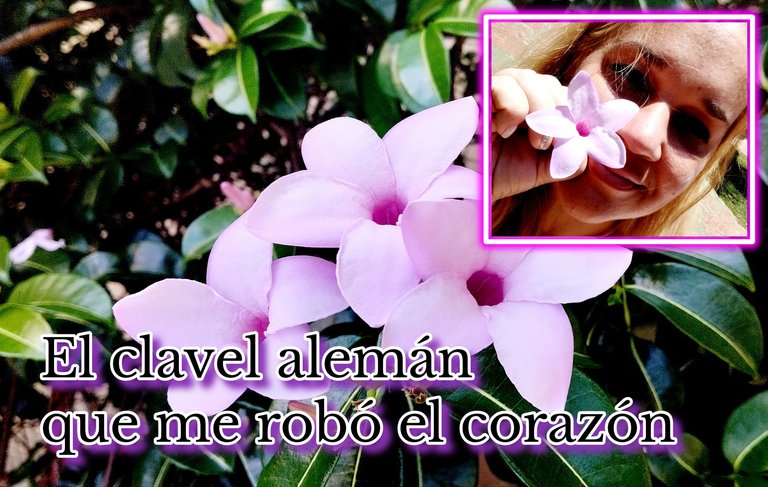
Hay algo mágico en viajar y dejarse sorprender por la belleza inesperada. Hace unos días, un destello violáceo entre la maleza me detuvo en seco. Me acerqué, como siempre hago, con esa curiosidad casi infantil por conocer cada flor nueva que se cruza en mi camino, y allí estaba: una enredadera de hojas brillantes y correosas, de esas que parecen hechas de cera, y unas flores moradas… ¡ay, las flores!
Las flores parecían pequeños gramófonos de terciopelo lila, con el centro más claro y unos estambres blancos como azúcar espolvoreada. Era imponente sin ser arrogante, delicada pero salvaje.
Saqué el teléfono, tomé fotos desde todos los ángulos y, como ya es mi ritual, abrí la aplicación para identificar especies. Resultó ser una Cryptostegia grandiflora. Luego busqué el nombre común y me quedé helada: "clavel alemán".
¿Clavel? Sí, se parece en la forma del pétalo. ¿Alemán? Eso era más misterioso, porque el origen real de esta planta está al otro lado del mundo. Pero lo que más me impactó fue lo que leí a continuación: en muchos lugares la consideran una invasora. Crece rápido, se aferra con fuerza, ahoga a las plantas de alrededor. Sin duda es una belleza que es, a la vez, una amenaza, y justamente ahí vino mi dilema.
Mientras admiraba ese ramillete morado que parecía pintado a mano, pensé: ¿y si me llevo un esqueje? Solo uno, y lo planto en una maceta en mi terraza, lo cuido, lo mimo.
Sucede que la ciencia que tanto me gusta consultar me recordó algo: no se puede domesticar del todo a lo que nació para ser indomable. Un esqueje de Cryptostegia no se queda quieto. Si logra echar raíces, se expandirá aunque no quiera. Sus semillas vuelan con el viento y su savia es tóxica. No es mala planta: es una planta que cumple su función en su ecosistema original, pero fuera de ahí se vuelve tirana.
Así que decidí no arrancar ni un tallo. Eso sí, tomé más fotos y me senté un rato a mirarla, a oler su aroma suave a miel vieja, a agradecerle el regalo de sus flores. Nunca olvidaré a mi clavel alemán… esa belleza de nombre científico que sonaba a magia y que, al final, me enseñó que querer una planta a veces es dejar que siga siendo libre donde debe estar. 🌿💜

🍃 ¡𝑮𝒓𝒂𝒄𝒊𝒂𝒔 𝒑𝒐𝒓 𝒍𝒆𝒆𝒓! 🍃
𝑺𝒊 𝒂ú𝒏 𝒏𝒐 𝒎𝒆 𝒄𝒐𝒏𝒐𝒄𝒆𝒔: 𝒔𝒐𝒚 𝒏𝒆𝒖𝒓ó𝒍𝒐𝒈𝒂 𝒚 𝒆𝒔𝒄𝒓𝒊𝒕𝒐𝒓𝒂 𝒄𝒖𝒃𝒂𝒏𝒂, 𝒎𝒂𝒅𝒓𝒆, 𝒎𝒖𝒋𝒆𝒓 𝒚 𝒔𝒐ñ𝒂𝒅𝒐𝒓𝒂 𝒒𝒖𝒆 𝒆𝒏𝒄𝒐𝒏𝒕𝒓ó 𝒆𝒏 𝑯𝒊𝒗𝒆 𝒖𝒏 𝒉𝒆𝒓𝒎𝒐𝒔𝒐 𝒆𝒔𝒑𝒂𝒄𝒊𝒐 𝒑𝒂𝒓𝒂 𝒗𝒐𝒍𝒂𝒓.
𝑬𝒍 𝒕𝒆𝒙𝒕𝒐 𝒚 𝒍𝒂𝒔 𝒊𝒎á𝒈𝒆𝒏𝒆𝒔 𝒔𝒐𝒏 𝒅𝒆 𝒎𝒊 𝒂𝒖𝒕𝒐𝒓í𝒂, 100% 𝒉𝒖𝒎𝒂𝒏𝒐𝒔 (𝒔𝒊𝒏 𝑰𝑨).
𝑩𝒂𝒏𝒏𝒆𝒓 𝒅𝒊𝒔𝒆ñ𝒂𝒅𝒐 𝒑𝒐𝒓 𝑳𝒖𝒎𝒊𝒊.
¿𝑻𝒆 𝒈𝒖𝒔𝒕ó 𝒆𝒔𝒕𝒂 𝒑𝒖𝒃𝒍𝒊𝒄𝒂𝒄𝒊ó𝒏? 𝑽𝒐𝒕𝒂, 𝒄𝒐𝒎𝒆𝒏𝒕𝒂 𝒐 𝒓𝒆𝒃𝒍𝒐𝒈𝒖𝒆𝒂 𝒑𝒂𝒓𝒂 𝒂𝒚𝒖𝒅𝒂𝒓 𝒂 𝒅𝒆𝒔𝒑𝒍𝒆𝒈𝒂𝒓 𝒆𝒔𝒕𝒂𝒔 𝒂𝒍𝒂𝒔. 💗
